How to Prepare Your HVAC System for Holiday Guests and Seasonal Changes
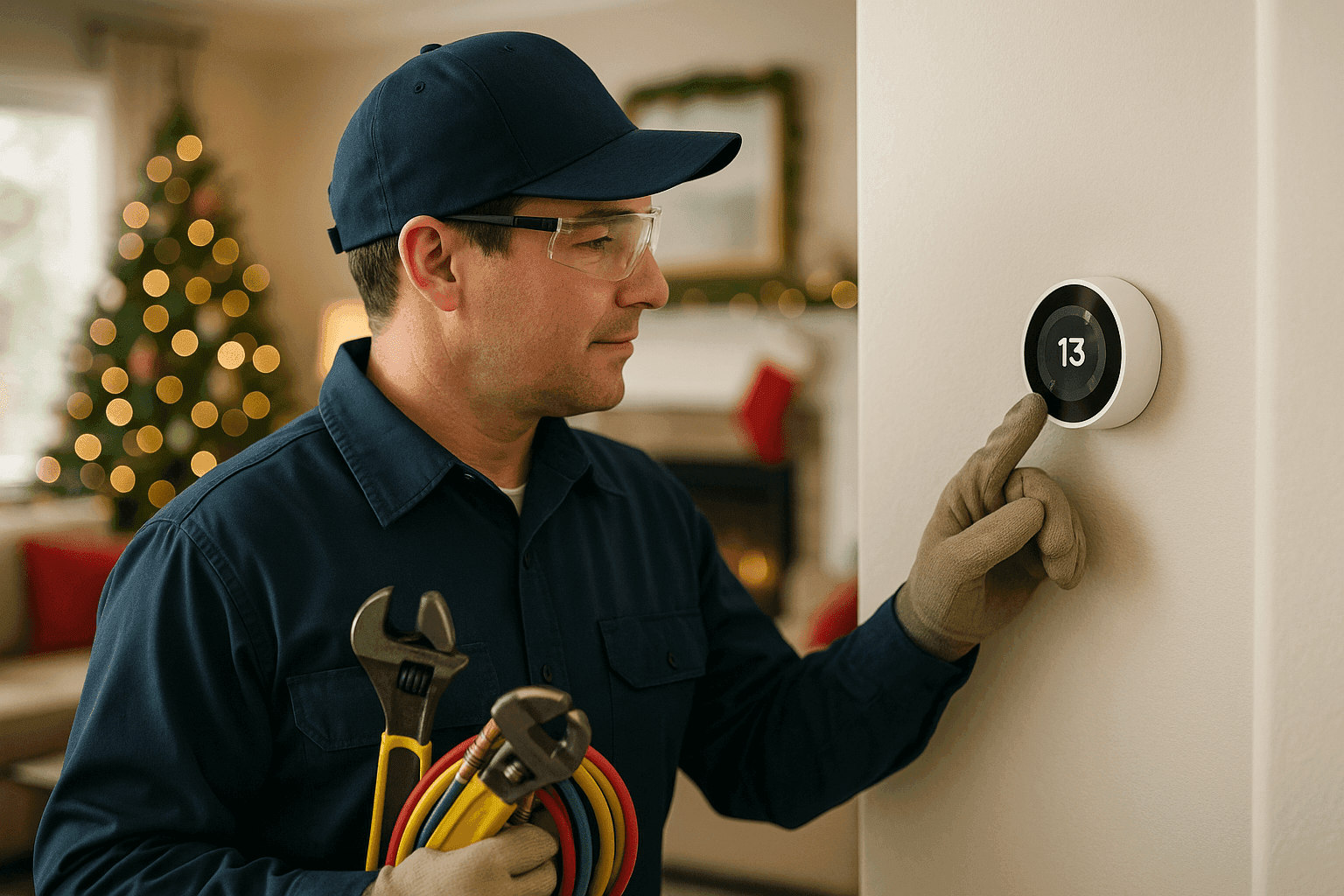
The holidays bring warmth, laughter, and—let’s be honest—a house full of people. But nothing chills the mood like a furnace that won’t start or an AC that gives up when your guests arrive. As seasons change, your HVAC system becomes the unsung hero, keeping everyone comfortable.
At General Heating & Air, we know how quickly a cozy gathering can turn stressful if your system fails. Here’s how to prep your HVAC for high-traffic days and unpredictable weather, so you can focus on what matters most.
Why Seasonal HVAC Prep Matters
Inviting friends and family over? Or welcoming customers into your business? Your HVAC is working overtime. It’s like a marathon runner—pushing hard, needing the right fuel and tune-up to finish strong.
The shift from warm to cold (or vice versa) puts extra strain on your system. Dust, debris, and old filters can choke airflow. Thermostats may act up. And, if ignored, small issues can snowball into big, expensive breakdowns—often at the worst possible time.
Routine maintenance is recommended by the U.S. Department of Energy and organizations like the Air Conditioning Contractors of America (ACCA). It’s not just about comfort; it’s about safety, energy savings, and peace of mind.
Quick Safety Checklist Before Guests Arrive 🛠️
Don’t wait for a full house to realize something’s off. Here’s a quick checklist to help you catch problems early:
- Change or clean air filters (every 1-3 months)
- Test your thermostat—make sure it responds and holds temperature
- Check all vents and registers—clear away furniture, drapes, or dust
- Listen for odd noises—rattling, banging, or whistling can signal trouble
- Inspect carbon monoxide detectors—replace batteries if needed
- Make sure outdoor units are clear of leaves, snow, or debris
- Run your system for at least 30 minutes before guests arrive to spot issues
If you’re not sure about something, don’t ignore it. Small red flags can mean big problems later.
DIY or Call a Pro? Knowing Your Limits
Some tasks are safe for any homeowner or business owner. Changing filters, dusting vents, and checking thermostats are straightforward. But when you notice persistent issues—like weak airflow, inconsistent temperatures, or water pooling near your unit—it’s best to call in certified technicians.
Professional HVAC service isn’t just about fixing what’s broken. It’s about spotting hidden risks, making sure your system meets safety codes (like those set by the International Code Council), and optimizing for efficiency.
What Professionals Do When They Arrive
When you schedule a seasonal tune-up or emergency hvac call, here’s what a certified technician typically checks:
- Full system inspection: Looking for worn parts, leaks, or electrical issues
- Testing safety controls: Ensuring shut-off switches, gas lines, and pressure levels are safe
- Verifying thermostat calibration: Making sure it reads and regulates accurately
- Checking refrigerant levels: For ACs and heat pumps, ensuring proper cooling/heating
- Cleaning coils and blower components: Removing dust and buildup to boost efficiency
- Inspecting ductwork: Looking for leaks, blockages, or mold
- Reviewing air quality add-ons: Humidifiers, air scrubbers, and filters get checked
These steps follow standards recommended by organizations like the EPA and ASHRAE, ensuring your system is safe and reliable for heavy use.
Prevention & Maintenance: Your Seasonal Checklist
Think of maintenance like brushing your teeth. Skip it, and you risk bigger problems down the line. Here’s a more detailed seasonal checklist:
Before Cold Weather
- Replace or upgrade filters (HEPA or electrostatic for better air quality)
- Schedule a professional furnace inspection
- Test carbon monoxide detectors and smoke alarms
- Seal visible duct leaks with approved materials
- Set your thermostat to a comfortable, energy-saving temperature
- Clean around outdoor heat pump or generator units
Before Warm Weather
- Clean or replace AC filters
- Schedule an AC tune-up (including refrigerant check)
- Inspect insulation around refrigerant lines
- Test and adjust programmable thermostats
- Make sure your attic and crawl spaces are ventilated
All Year
- Keep vents and registers open and clean
- Monitor indoor humidity (ideal is 30–50%)
- Consider air quality tests for dust, pollen, or mold
- Have your generator and backup systems checked
Regular attention can extend the life of your system and help avoid emergency hvac calls at the worst moments.
Costs & Time Factors: What to Expect
How much will it cost? How long will it take? The answers depend on your system’s age, size, and condition.
- Filter changes: Usually quick and affordable—just a few minutes if you DIY
- Professional tune-ups: Typically 60–90 minutes, with costs depending on system type and what’s found
- Emergency repairs: Can take anywhere from an hour to several, especially if parts are needed
Remember: catching issues early often saves money and hassle. Waiting until something breaks—especially during peak holiday or seasonal demand—can lead to longer waits and higher costs.
When It’s an Emergency: Recognizing Red Flags 🚨
Some problems can’t wait. If you notice these signs, call for emergency hvac help immediately:
- Burning smells or smoke from vents or equipment
- No heat or AC when system is running
- Unusual noises—grinding, screeching, or loud bangs
- Water leaks around the furnace, AC, or ducts
- Unresponsive thermostat or system that won’t turn on
- Carbon monoxide alarms going off
Always prioritize safety. Turn off your system and evacuate if you smell gas or suspect carbon monoxide.
FAQ: Common HVAC Prep Questions
How often should I replace my HVAC filter?
Most filters need changing every 1–3 months, but check monthly during heavy use or if you have pets or allergies.
Can I run my furnace or AC with a dirty filter?
It’s not safe. Dirty filters restrict airflow, strain your system, and can lead to breakdowns or poor air quality.
What’s the best temperature setting for guests?
Aim for 68–72°F in winter and 74–78°F in summer. Adjust based on the crowd and activity.
Should I close vents in unused rooms to save energy?
No—closing vents can unbalance your system and cause pressure problems. Keep them open for even airflow.
Special Considerations for Holiday & Seasonal HVAC Use
Holidays mean more cooking, showers, and people—raising humidity and indoor pollutants. Consider these extra steps:
- Use kitchen hood and bathroom exhaust fans to vent moisture
- Run air scrubbers or purifiers if you have allergy-prone guests
- Schedule duct cleaning if it’s been more than three years
- If you use a fireplace, have it inspected and cleaned before heavy use
- Test backup generators if you rely on them for power outages
Certified technicians follow standards from bodies like the National Fire Protection Association (NFPA) and EPA to ensure your system is up to the task.
Ready to keep your holidays stress-free and your guests comfortable? Call General Heating & Air now — or reach us anytime at 888-805-8278 .