How to Safely Prepare Your HVAC System for Power Outages
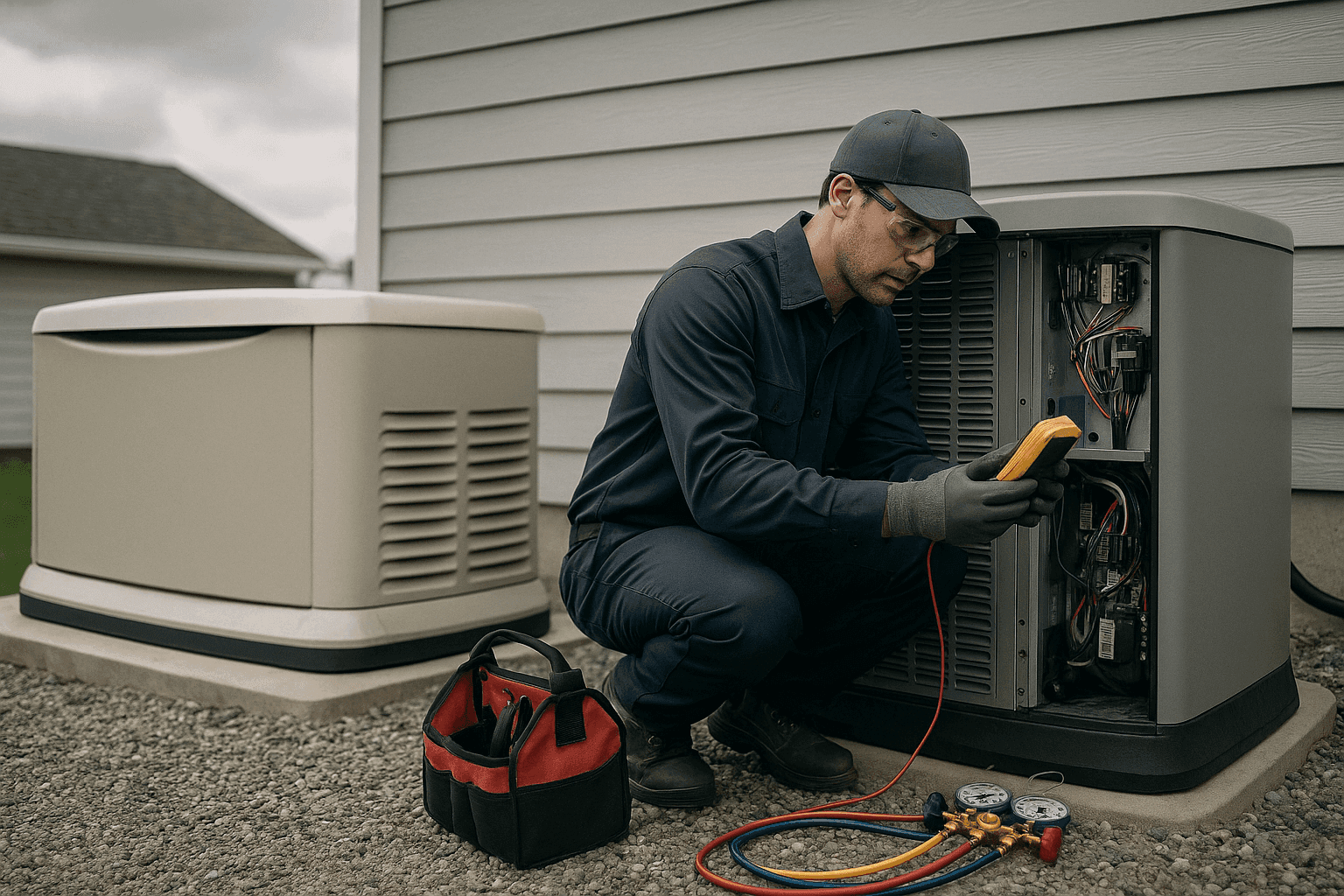
When the lights flicker and everything goes quiet, your comfort system shouldn’t leave you guessing. Power outages can strike without warning—sometimes in the middle of a heatwave or a winter deep freeze. For homeowners and small business owners, knowing how to prepare your HVAC system isn’t just smart. It’s essential for safety, comfort, and peace of mind.
At General Heating & Air, we know what can go wrong when the power drops. Our 24-hour emergency hvac team has seen it all. Let’s walk through what you need to do before, during, and after an outage.
Understanding HVAC Risks During Power Outages ⚡
When the power cuts out, your HVAC system is suddenly stranded in the dark. It’s like a marathon runner forced to stop mid-stride—dangerous if not handled right.
What Can Go Wrong?
- Electrical Surges: When power returns, surges can fry sensitive HVAC components, including circuit boards and compressors.
- Short Cycling: Sudden restarts may cause your system to turn on and off rapidly, leading to wear and tear.
- Frozen Coils: In winter, a sudden stop can leave water in coils, risking freeze and burst.
- Air Quality Issues: No power means no filtration. Dust, allergens, and humidity can quickly build up indoors.
- Fire Hazards: Damaged wiring or overloaded circuits post-outage can pose serious risks.
The U.S. Department of Energy and National Fire Protection Association both stress the importance of proper shutdown and restart procedures for major appliances during outages.
How to Safely Shut Down Your HVAC System
Think of your HVAC like a car—you wouldn’t slam it into park at highway speeds. Here’s how to ease your system safely into a power outage:
- Turn Off the Thermostat: Switch your thermostat to “off” as soon as you know an outage is coming.
- Shut Down at the Breaker: For extra protection, flip the HVAC circuit breaker off. This shields your system from surges when power returns.
- Unplug Portable Units: Window ACs, space heaters, and dehumidifiers should be unplugged to avoid damage.
- Secure Outdoor Units: If storms are expected, clear debris from around outdoor condensers and cover them if possible.
- Close Windows and Doors: Trap conditioned air inside to maintain comfort longer.
Tip: If you have a smart thermostat, check if it has a “power outage” or “vacation” mode.
Benefits of Installing a Backup Generator
A backup generator is like an umbrella in a storm—useless if you wait until you’re soaked. Here’s why considering one makes sense:
- Keeps HVAC Running: Critical for health and safety during extreme heat or cold.
- Protects Appliances: Prevents damaging surges and restarts.
- Maintains Air Quality: Allows filtration, dehumidification, and ventilation to continue.
- Peace of Mind: No scrambling for candles or fans.
Why Professional Installation Matters
Improper generator installation can be dangerous. Electrical codes (like those from the National Electrical Code, NEC) require safe transfer switches and correct sizing. Only a licensed technician should connect your HVAC system to a backup generator. This ensures:
- No risk of backfeeding power into utility lines (a serious hazard for utility workers).
- Proper load balancing so your generator doesn’t overload.
- Reliable operation when you need it most.
Regular generator maintenance is just as important—think of it as insurance for your comfort.
Post-Outage HVAC System Checks
Once power is restored, resist the urge to flip everything back on immediately. Here’s what to do:
- Inspect for Damage: Look for tripped breakers, blown fuses, or unusual noises.
- Wait 5–10 Minutes: Let the power stabilize to avoid surges.
- Turn Thermostat to “Fan Only”: Run the fan for a few minutes to circulate air and clear any humidity buildup.
- Switch System Back On: If everything looks and sounds normal, set your thermostat to your desired temperature.
- Monitor Performance: Watch for strange smells, poor airflow, or error codes. These could signal hidden damage.
If you notice anything off, call an emergency hvac professional right away.
Tips for Maintaining Comfort and Air Quality During an Outage
- Close Curtains and Blinds: Keep heat in during winter, out during summer.
- Use Battery-Powered Fans or Heaters: Only if rated for indoor use.
- Open Windows for Fresh Air: When weather permits, to reduce stuffiness.
- Limit Cooking and Showering: These activities add heat and humidity.
- Use Air Purifiers with Battery Backup: Helps control dust and allergens.
Why Professional Generator Installation and Maintenance Is Crucial
A generator is only as reliable as its setup. Here’s what professional service includes:
- Assessment of Your Power Needs: Ensuring the generator can handle your HVAC and other essentials.
- Safe Electrical Connections: In line with NEC and manufacturer guidelines.
- Routine Testing and Maintenance: Regular oil changes, load tests, and inspections.
- Education: Training you on safe operation and shutdown.
Cutting corners with DIY generator setups can void warranties and put your safety at risk.
Reducing Repair Costs and Protecting Your Investment
A little preparation goes a long way. Here’s how to save money and hassle:
- Schedule regular HVAC and generator maintenance.
- Replace air filters before storm season.
- Test your generator monthly.
- Have an emergency plan: Know where your breaker panel is. Keep our number handy.
The cost of prevention is almost always less than emergency repairs or equipment replacement.
Emergency HVAC Service: When to Call for Help 🚨
Some problems can’t wait. Call for emergency hvac help if you notice:
- Burning smells or smoke from vents or equipment.
- Water leaks around your furnace or AC.
- No power to your system after the outage is over.
- Unusual sounds—banging, screeching, or hissing.
- Rapid cycling on and off, or failure to start.
Our technicians are trained to respond 24/7, no matter the weather or time of day.
Frequently Asked Questions
How soon after a power outage can I restart my HVAC system?
Wait at least 5–10 minutes after power returns before restarting. This allows voltage to stabilize and reduces surge risk.
Can I connect a portable generator to my HVAC system?
Not directly. Most portable generators aren’t sized or wired for central HVAC. Always consult a professional for safe connections.
What maintenance does my generator need?
Regular oil changes, fuel checks, and load testing. Follow manufacturer guidelines and schedule professional inspections at least once a year.
Will my indoor air quality suffer during an outage?
If your HVAC isn’t running, filtration and ventilation stop. Limit indoor activity and open windows if safe. Use battery-powered air purifiers if available.
Special Considerations for HVAC Systems in Power Outages
- Older Systems: May lack built-in surge protection. Consider adding it.
- Smart Thermostats: Some battery-backup models can keep basic controls running.
- Mini-Splits and Ductless: These units often have sensitive electronics—shut down at the breaker to avoid damage.
- Geothermal Systems: Can be affected by power loss to pumps and controls. Professional inspection is recommended after extended outages.
- Sheet Metal Ducts: Check for condensation buildup after outages, which can lead to mold.
Final Thoughts
Power outages are stressful—but with the right steps, you can keep your HVAC system safe, your air clean, and your family or business comfortable. Preparation is your best defense against costly repairs and long nights in the dark.
Call General Heating & Air now — or reach us anytime at 888-805-8278 .