How Much Does a New Air Conditioner Cost? Pricing Guide 2024
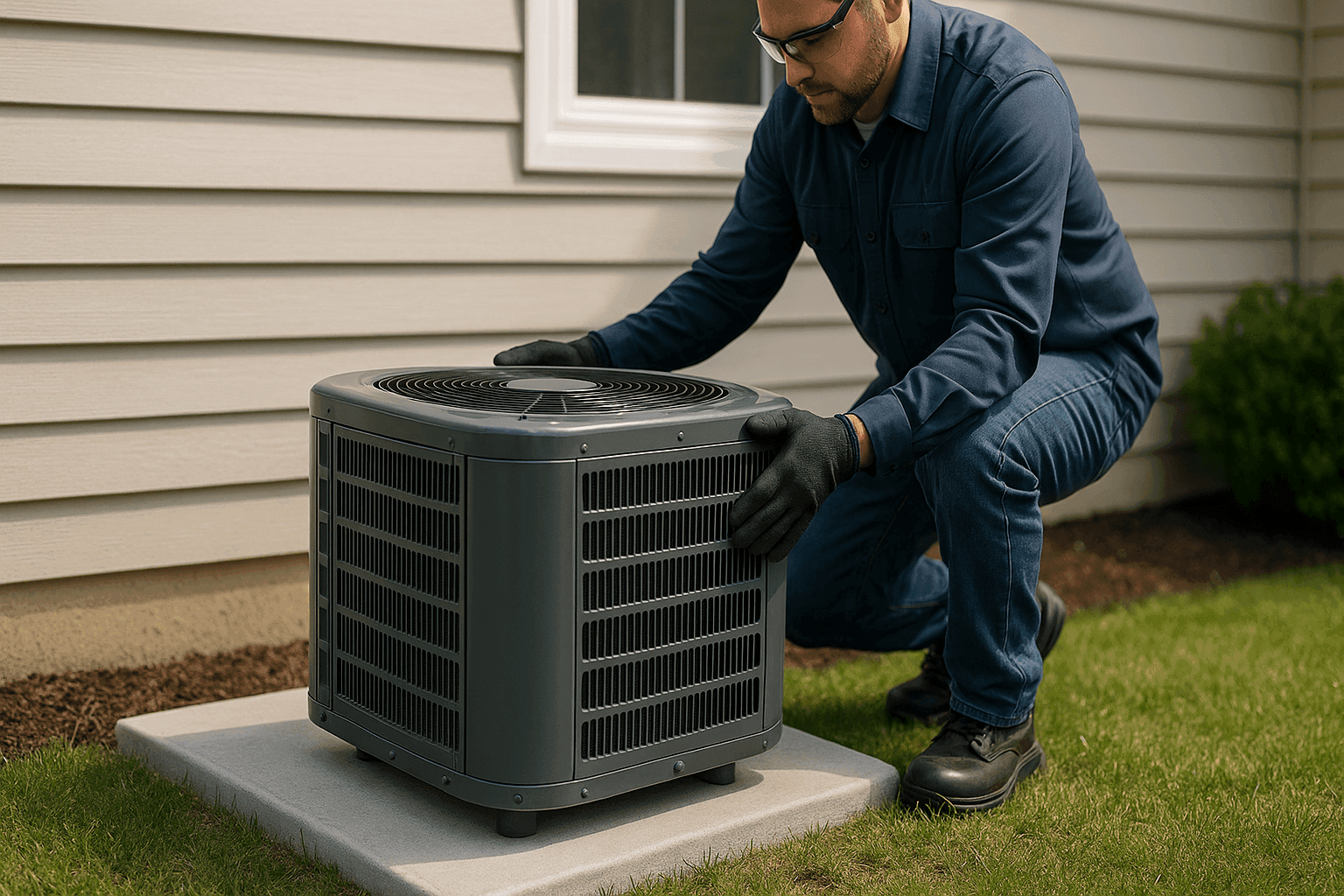
Thinking about replacing your air conditioner? You’re not alone. Every year, both homeowners and business owners wonder, “How much will a new AC set me back?”
It’s a big investment—one you want to get right. At General Heating & Air, we handle emergency hvac calls day and night. We’ve seen the sticker shock, but we’ve also seen the relief when customers get honest, upfront answers. Let’s break it down, so you can plan your budget with confidence and avoid surprises.
Factors That Affect AC Pricing
The cost of a new air conditioner isn’t pulled out of thin air. It’s more like baking a cake: the recipe changes based on your needs, your space, and your tastes.
Here’s what truly affects the price:
- Size of the System: Bigger isn’t always better, but large homes and commercial spaces need more cooling power. This is measured in “tons” or BTUs. (Think: cooling a small shed vs. a busy restaurant.)
- Brand and Model: Some brands are known for budget-friendly basics, while others offer whisper-quiet operation and smart features.
- SEER Rating (Seasonal Energy Efficiency Ratio): Higher SEER means better efficiency… and a higher up-front cost. But you’ll save on energy bills over time.
- Installation Complexity: Is your old ductwork up to code? Is your electrical system ready? Hidden obstacles can nudge the price up.
- Special Features: Want a smart thermostat, IAQ Testing near you, or air scrubbers? Extras add up.
Certified Installer Insight:
“Most homeowners don’t realize the ‘right’ AC size isn’t about square footage alone. Insulation, window type, and even attic space matter,” says a certified installer at General Heating & Air.
Average Costs by Home Size and Region 🏠
Let’s get to the numbers. These are ballpark figures for 2024, to help you set expectations.
For Residential Homes
- Small homes (under 1,500 sq. ft.):
$4,000 – $7,000 for a standard central AC, installed. - Medium homes (1,500–2,500 sq. ft.):
$6,500 – $10,500 for a mid-range system. - Large homes (2,500+ sq. ft.):
$9,000 – $15,000+ with high-efficiency, multi-zone, or smart technology options.
For Small Businesses
- Retail/office spaces:
$7,500 – $20,000 depending on layout, occupancy, and load requirements. - Restaurants/gyms/venues:
$15,000 – $40,000 or more, especially for custom ductwork or rooftop units.
Regional Differences
- Hot/humid climates:
ACs work harder, so expect higher installation and energy costs. - Urban vs. rural:
Labor rates and permit fees can vary widely.
These ranges include equipment, standard installation, and basic controls. They don’t cover every possible scenario, but they’ll help you avoid being caught off guard.
Additional Costs: What Else Should You Budget For?
Surprises are fun at birthday parties—not so much with AC projects. Here’s what often gets overlooked:
- Ductwork Modifications:
Old, leaky, or undersized ducts can add $2,000–$5,000 to the project. - Electrical Upgrades:
Newer systems sometimes need new breakers or dedicated wiring ($500–$2,500). - Permits and Code Compliance:
Required by local building departments. Fees range from $200–$1,500. - Smart Thermostats and Zoning:
Want to control rooms separately, or adjust temps from your phone? Budget $200–$800 extra. - Air Quality Add-ons:
Filters, air scrubbers, dehumidifiers, or IAQ Testing near you can boost comfort—and costs.
Tip: Check with your installer for a full itemized proposal. Ask about “hidden” costs—like crane rentals (for rooftop units) or asbestos abatement (in older properties).
Money-Saving Rebates and Financing 💡
Worried about the up-front price tag? There are ways to lighten the load:
- Manufacturer Rebates:
Brands often offer seasonal discounts, especially on high-efficiency models. - Utility Company Incentives:
Many local utilities provide cash-back or bill credits for energy-efficient upgrades. - Federal and State Tax Credits:
The Inflation Reduction Act and other programs may cover up to 30% of certain system costs (check Energy Star for updates). - Flexible Financing:
Many emergency hvac companies, including General Heating & Air, offer payment options tailored for both homeowners and small business owners.
Tip for Business Owners: Some upgrades qualify as tax-deductible capital improvements. Consult your accountant to maximize savings.
How to Get an Accurate Estimate
No two buildings are alike. The best way to get a real number? Schedule a professional assessment. Here’s what to expect:
- In-Person Evaluation:
A certified technician will measure your space, inspect insulation, and check existing equipment. - Load Calculation:
Using ACCA Manual J or a similar method, they’ll calculate your exact cooling needs. - Itemized Proposal:
You’ll receive a detailed list of recommended equipment, installation requirements, and all costs. - Review and Questions:
Ask for clarifications. No reputable company will pressure you to decide on the spot.
“A transparent estimate is your best insurance against surprise costs,” says a General Heating & Air installer.
Practical Tips for Homeowners and Small Businesses
- Don’t just compare bottom-line prices. Pay attention to warranty terms, energy ratings, and included extras.
- Ask about ongoing maintenance. An AC is like a car: it needs tune-ups for peak performance.
- Check credentials. Ensure your contractor is licensed, insured, and familiar with local code requirements.
- Plan for emergencies. If your system fails on a 100-degree day, emergency hvac service may cost more. Consider scheduling upgrades in the off-season.
FAQ: New AC Pricing
Q: Is it cheaper to repair or replace my old AC?
A: If your system is over 12 years old or needs frequent repairs, replacement often makes more financial sense. Newer models are far more efficient, so you’ll save on utility bills.
Q: How long does installation take?
A: Most residential installations take 1–2 days. Complex jobs (like ductwork or commercial systems) can take longer.
Q: Will a higher SEER rating really save money?
A: Absolutely. Higher SEER units cost more up front but use less electricity. Over several years, the savings often outweigh the initial expense.
Local & Seasonal Considerations 🌦️
- Peak season (late spring, summer):
Demand soars—so do prices and wait times. If you can, book installations in fall or winter for the best deals. - Building codes:
Requirements change by state and city. A licensed emergency hvac company will pull permits and follow all safety guidelines (see the International Residential Code and EPA refrigerant rules). - IAQ Testing near you:
If you have allergies, pets, or a commercial kitchen, consider testing indoor air quality before choosing a system.
Ready to get started or need a fast quote?
Call General Heating & Air now — or reach us anytime at 888-805-8278 .