How to Maximize HVAC Efficiency Year-Round: Expert Tips for Homeowners and Businesses
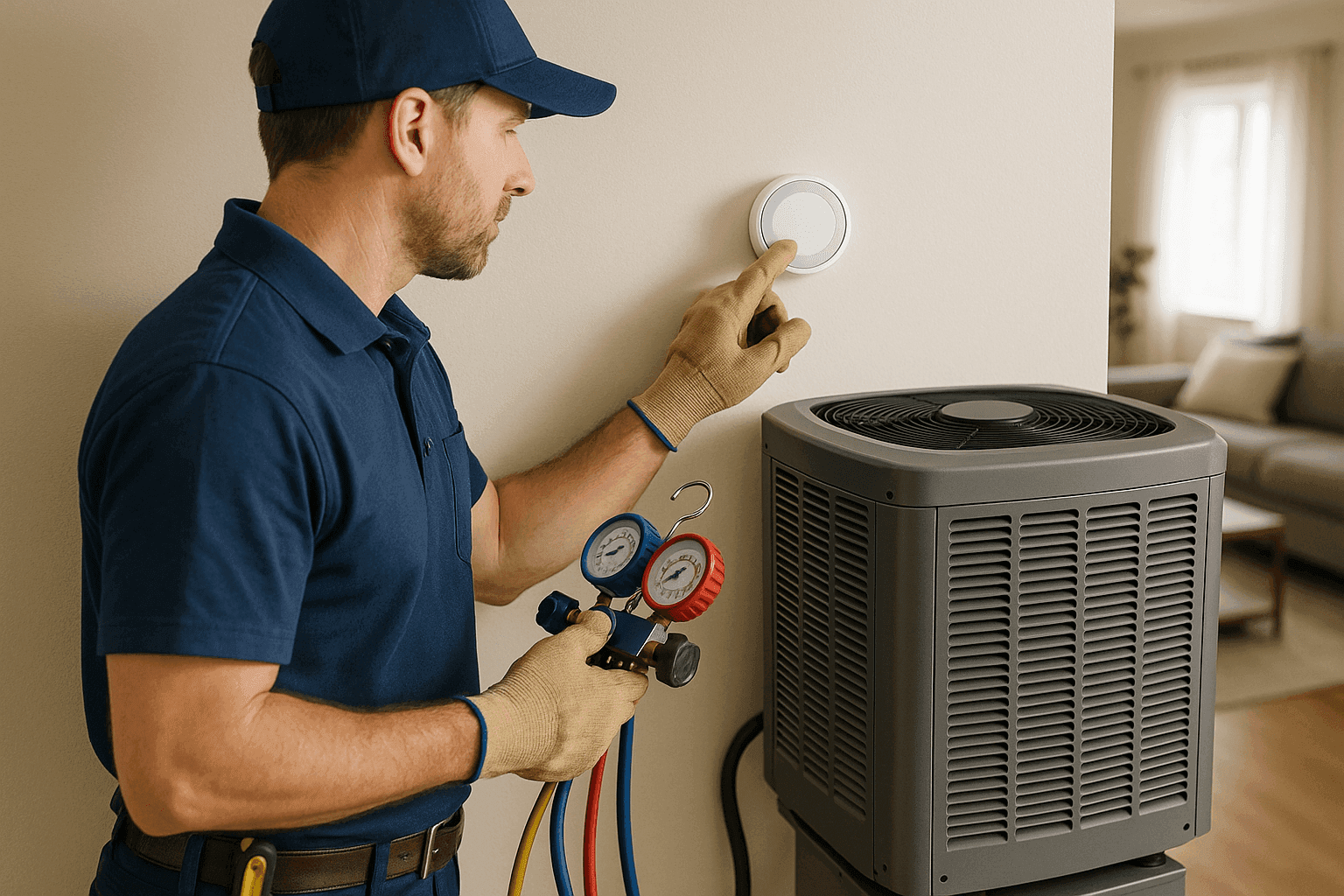
Stuffy rooms in summer. Drafty corners in winter. High energy bills that make you wince. If you own a home or run a business, you know the struggle: keeping your space comfortable without breaking the bank or overworking your HVAC system.
At General Heating & Air, we’ve seen it all. Our certified team has helped families and small businesses keep their cool (and their warmth) no matter the season. Here’s how you can maximize HVAC efficiency year-round and avoid those emergency hvac calls that no one wants at 2 a.m.
Why HVAC Efficiency Matters
Think of your HVAC system as the heart of your building. If it’s working too hard, everything else suffers—your comfort, your wallet, even the air you breathe. Efficient systems don’t just save money; they last longer, break down less, and create healthier indoor environments.
According to the U.S. Department of Energy, heating and cooling account for nearly half of the average home’s energy use. That’s a big chunk of your budget—and a big opportunity to save.
Regular HVAC Maintenance: The Foundation of Efficiency 🛠️
You wouldn’t drive your car for years without an oil change. Your HVAC system needs the same attention.
Key Maintenance Steps
- Replace Filters Regularly: Dirty filters are like breathing through a straw. Change them every 1–3 months, or more often if you have pets or allergies.
- Duct Cleaning: Dust, debris, and even mold can build up in your ducts, making your system work harder and reducing air quality.
- Seasonal Tune-Ups: Professional tune-ups catch small issues before they become big, expensive problems. Technicians check refrigerant levels, clean coils, and inspect electrical components.
- Check Vents and Registers: Make sure furniture or rugs aren’t blocking airflow. Blocked vents force your system to work overtime.
Pro Tip
Schedule maintenance before peak seasons—spring for cooling, fall for heating. This ensures your system is ready when you need it most.
Smart Thermostat Usage: Set It and Save 📱
Smart thermostats are like having a personal assistant for your HVAC. They learn your schedule, adjust settings automatically, and can be controlled from your phone.
Tips for Year-Round Efficiency
- Program for Your Routine: Set higher temperatures in summer and lower in winter when you’re away or asleep.
- Seasonal Adjustments: In winter, aim for 68°F when home, lower when away. In summer, try 78°F when home, higher when away (per ENERGY STAR guidelines).
- Zoning: If your system supports it, set different temperatures for different areas—no need to cool empty rooms.
- Monitor and Adjust: Use your thermostat’s reports to spot patterns and tweak settings for extra savings.
A well-programmed thermostat can cut your energy bill by up to 10% a year.
Ventilation and Air Quality: Breathe Easier, Save More 🌬️
Good airflow is the secret sauce of HVAC efficiency. Poor ventilation makes your system work harder and can lead to stuffy, unhealthy air.
How to Improve Airflow and Quality
- Keep Vents Clear: Don’t block vents with furniture, curtains, or boxes.
- Use Exhaust Fans: In kitchens and bathrooms, exhaust fans remove heat and moisture, easing your HVAC’s load.
- Upgrade Filters: High-efficiency particulate air (HEPA) filters trap more dust and allergens.
- Add Air Scrubbers: These devices actively clean the air, reducing contaminants and easing strain on your system.
- Humidity Control: Humidifiers and dehumidifiers keep moisture levels balanced, making it easier to heat or cool your space.
For businesses, proper ventilation is more than comfort—it’s a safety requirement. The Occupational Safety and Health Administration (OSHA) and the American Society of Heating, Refrigerating and Air-Conditioning Engineers (ASHRAE) offer guidelines for minimum ventilation rates.
Upgrading Components: When to Invest in Efficiency 🔧
Sometimes, the best way to boost efficiency is to upgrade old or inefficient equipment.
Signs It’s Time to Upgrade
- Frequent Breakdowns: Repairs are becoming the norm, not the exception.
- Rising Energy Bills: Your costs keep climbing, even with regular maintenance.
- Old Equipment: Most HVAC systems last 10–15 years. Older units are less efficient and may use outdated refrigerants.
- Uneven Temperatures: Some rooms are always too hot or too cold.
Energy-Efficient Upgrades
- High-Efficiency HVAC Units: Look for ENERGY STAR-certified models.
- Variable-Speed Motors: These adjust output to match demand, saving energy.
- Smart Thermostats: Easy upgrade, big impact.
- Add-Ons: Air scrubbers, humidifiers, whole-house fans, and mini-splits can improve comfort and efficiency.
Upgrades can feel like a big investment, but they pay off in lower bills, fewer repairs, and a more comfortable space.
Energy Audits and Professional Assessments: Find Hidden Inefficiencies 🔍
Even the most attentive homeowner or business owner can miss hidden problems. That’s where a professional energy audit comes in.
What’s an Energy Audit?
An energy audit is like a physical for your building. Certified technicians use specialized tools—like blower doors and infrared cameras—to find leaks, insulation gaps, and inefficiencies you can’t see.
What to Expect
- Inspection of HVAC System: Checking for leaks, blockages, and proper operation.
- Ductwork Evaluation: Looking for leaks or disconnected sections.
- Airflow Testing: Ensuring every room gets the right amount of conditioned air.
- Recommendations: Actionable steps to boost efficiency, from simple fixes to bigger upgrades.
The EPA and Department of Energy both recommend regular energy audits to optimize performance and comfort.
Practical Tips for Everyday Efficiency
- Close Curtains and Blinds: Keep out heat in summer, retain warmth in winter.
- Seal Windows and Doors: Weatherstripping and caulk stop drafts and keep conditioned air inside.
- Use Ceiling Fans: They help circulate air, making rooms feel cooler or warmer without extra HVAC use.
- Change Filters on Schedule: Mark your calendar or set reminders.
Small changes add up. Together, they can reduce strain on your system and keep your space comfortable.
When to Call for Emergency HVAC Service 🚨
Sometimes, things go wrong—fast. If you notice:
- No Airflow: System won’t turn on, or air isn’t moving.
- Strange Noises or Smells: Banging, screeching, burning, or musty odors.
- Water Leaks: Around your indoor unit or near ductwork.
- Rapid Temperature Swings: System can’t keep up, or rooms are wildly uneven.
Don’t wait. Emergency hvac issues can escalate quickly, risking system damage or even safety hazards. Certified technicians are trained to identify and resolve problems safely.
FAQ: Common Questions About HVAC Efficiency
How often should I replace my HVAC filter?
Most filters need changing every 1–3 months, but check monthly if you have pets, allergies, or lots of dust.
Can a smart thermostat really save money?
Yes! According to ENERGY STAR, smart thermostats can save up to 10% annually on heating and cooling costs.
Is duct cleaning really necessary?
If you notice dust buildup, musty odors, or increased allergies, duct cleaning can help both efficiency and air quality.
What’s the average lifespan of an HVAC system?
Most systems last 10–15 years with proper maintenance. Older units may be less efficient and more prone to breakdowns.
Special Considerations for Businesses and Large Homes
- Zoning Systems: Large spaces benefit from custom temperature zones—no need to heat or cool empty areas.
- Air Balancing: Professional air balancing ensures every room gets the right airflow, improving comfort and efficiency.
- Regular Professional Maintenance: Larger systems need more frequent checks to avoid costly downtime.
- Indoor Air Quality Testing: For businesses, regular IAQ testing keeps employees and customers safe and comfortable.
Ready to Boost Your HVAC Efficiency?
You don’t have to tackle it all alone. Whether you need routine maintenance, an energy audit, or emergency hvac service, General Heating & Air is here to help—24/7.
Call General Heating & Air now — or reach us anytime at 888-805-8278 .