How to Extend the Lifespan of Your HVAC System: Expert Maintenance Tips
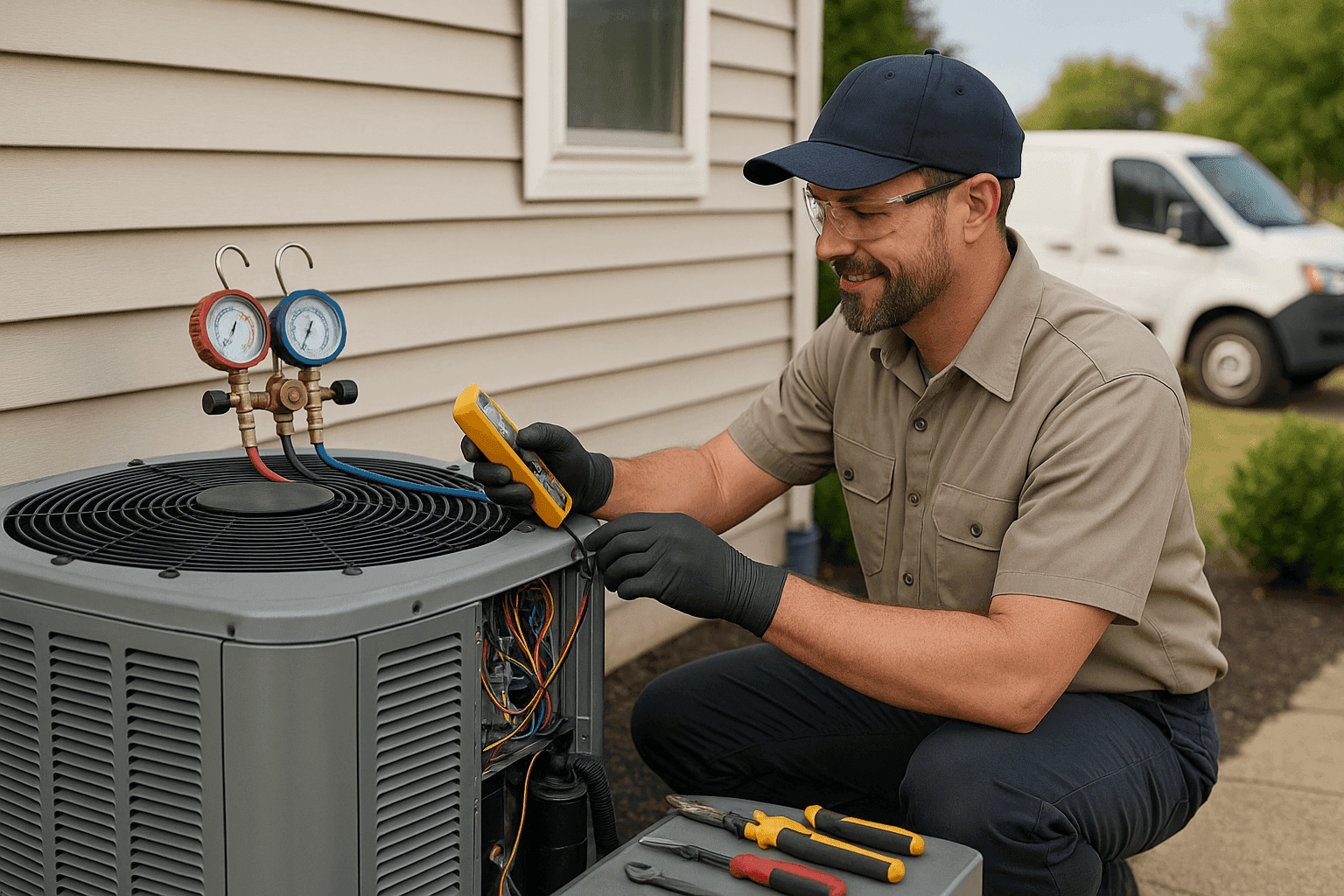
Is your HVAC system acting up more often than it should? Or maybe you just want to avoid those surprise breakdowns that always seem to happen on the hottest or coldest day of the year. We get it. At General Heating & Air, we know your heating and cooling system is the heart and lungs of your home or business. When it’s working, you hardly notice it. When it’s not, everything stops.
A well-maintained HVAC system doesn’t just keep you comfortable—it saves you money, improves indoor air quality, and can last years longer. Let’s break down the steps you can take to make your system last, and how to spot trouble before it turns into an emergency hvac call.
Why HVAC Lifespan Matters
Think of your HVAC system like a car. Regular oil changes and tune-ups keep your car running smoothly and help you avoid expensive repairs. Your furnace, AC, and ventilation need the same kind of care. Ignoring maintenance is like never changing your oil—eventually, something big (and costly) breaks.
A typical HVAC system can last 10–20 years, but only if it’s cared for. Neglect can cut that lifespan in half. And when your system fails, you’re not just paying for repairs—you’re risking comfort, safety, and even your health.
Quick Safety Checklist 🛑
Before you dive into any maintenance, always put safety first. Here’s what to do before touching your HVAC system:
- Turn off power. Always shut off electricity at the breaker before opening panels.
- Let moving parts stop. Wait until fans and blowers are completely still.
- Wear gloves and eye protection. Sharp edges and dust can cause injuries.
- Check for gas smells. If you smell gas, leave the area immediately and call for emergency hvac help.
- Keep kids and pets away. Maintenance areas aren’t safe for little hands or paws.
For more on HVAC safety, see guidelines from the Occupational Safety and Health Administration (OSHA).
DIY vs. Call a Pro
You can do a lot to keep your HVAC system healthy. But some jobs are best left to certified technicians.
DIY-friendly tasks:
- Change or clean air filters every 1–3 months.
- Keep vents and registers clear of furniture and dust.
- Gently vacuum around your furnace and AC unit.
- Set your thermostat to energy-saving temperatures.
When to call a pro:
- Annual or seasonal tune-ups.
- Strange noises or burning smells.
- Uneven heating or cooling.
- Water leaks or ice buildup.
- Electrical issues or tripped breakers.
Certified technicians like those at General Heating & Air follow industry standards (such as those from the Air Conditioning Contractors of America) to ensure your system is safe and efficient.
What Pros Do On Arrival
When a technician arrives for maintenance or an emergency hvac visit, here’s what they’ll typically check:
- Inspect and clean coils. Dirty coils reduce efficiency and can cause system strain.
- Test electrical connections. Loose wires can cause short circuits or fires.
- Lubricate moving parts. Keeps fans and motors running smoothly.
- Check refrigerant levels. Low refrigerant means poor cooling and potential compressor damage.
- Calibrate thermostats. Ensures accurate temperature control.
- Examine belts and pulleys. Worn parts can snap and cause major breakdowns.
- Inspect safety controls. Especially important for gas furnaces and generators.
- Test airflow and balance. Uneven airflow can signal duct or vent issues.
These steps follow guidelines from the American Society of Heating, Refrigerating and Air-Conditioning Engineers (ASHRAE).
Prevention & Maintenance
A little care goes a long way. Here’s a simple seasonal checklist to keep your HVAC system in top shape:
Spring & Summer (Cooling Season)
- Replace or clean AC filters monthly.
- Clear debris from around outdoor AC units.
- Check for clogged condensate drains.
- Set your thermostat to a higher temperature when away.
- Schedule a professional AC maintenance visit.
Fall & Winter (Heating Season)
- Change furnace filters before the first use.
- Inspect vents and flues for blockages.
- Test your carbon monoxide detector.
- Bleed radiators (for radiant heating systems).
- Schedule a professional furnace inspection.
Year-Round
- Dust and vacuum vents regularly.
- Listen for strange sounds (rattling, buzzing, banging).
- Watch for spikes in utility bills (a sign your system is working too hard).
- Check humidity levels—too high or too low can stress your system.
- Consider a home energy audit for efficiency tips.
Don’t Forget the Details
- Duct cleaning: Every 3–5 years or if you notice mold, pests, or heavy dust.
- Thermostats: Upgrade to programmable or smart thermostats for better control.
- Filters: Use the right MERV rating for your system—too high can restrict airflow.
Costs & Time Factors
Maintenance costs less than repairs—think of it as insurance for your comfort. Most routine maintenance visits take 1–2 hours. Emergency hvac calls can take longer, especially if parts need replacing.
- Filter changes: Minimal cost, just a few minutes.
- Professional tune-ups: Typically 1–2 hours.
- Duct cleaning: A few hours, depending on home size.
- Major repairs or installations: Several hours to a full day.
Delaying maintenance often leads to higher costs down the road—sometimes double or triple. And no one wants to pay for emergency service if it could have been avoided.
When It’s an Emergency
Some HVAC problems can’t wait. Here’s when to call for 24-hour emergency hvac service:
- No heating or cooling, especially during extreme weather.
- Strange burning smells or smoke.
- Gas leaks or carbon monoxide alarms.
- Electrical sparks or repeated breaker trips.
- Water leaks near electrical components.
- Loud, sudden noises (banging, screeching, or grinding).
Don’t hesitate—safety comes first. Emergency hvac techs are trained to handle urgent issues and get your system running safely again.
FAQ
How often should I change my HVAC filters?
Most filters should be changed every 1–3 months. If you have pets, allergies, or a dusty environment, check them more often.
What’s the average lifespan of an HVAC system?
With regular maintenance, most systems last 10–20 years. Neglect can shorten this to under 10 years.
Can I clean my ducts myself?
It’s best left to professionals with specialized equipment. DIY duct cleaning can stir up dust without fully removing it.
Why does my system need professional inspections?
Certified technicians spot issues you might miss, follow safety codes, and keep your warranty valid.
Special Considerations for Your HVAC System
Every home and business is unique. If you have a generator, radiant heating, mini-splits, or specialty air quality equipment, maintenance needs may differ. For example:
- Generators: Run them monthly and schedule annual professional checks.
- Air scrubbers and dehumidifiers: Clean or replace filters as directed by the manufacturer.
- Sheet metal ducts: Inspect for rust or leaks.
- Geothermal systems: Annual inspections are a must, as repairs can be complex.
If your system is older, consider an energy audit to spot inefficiencies and plan for upgrades. And always use certified, insured technicians who follow the latest safety and building codes.
Call General Heating & Air now — or reach us anytime at 888-805-8278 .