DIY vs Professional Duct Cleaning: What You Need to Know
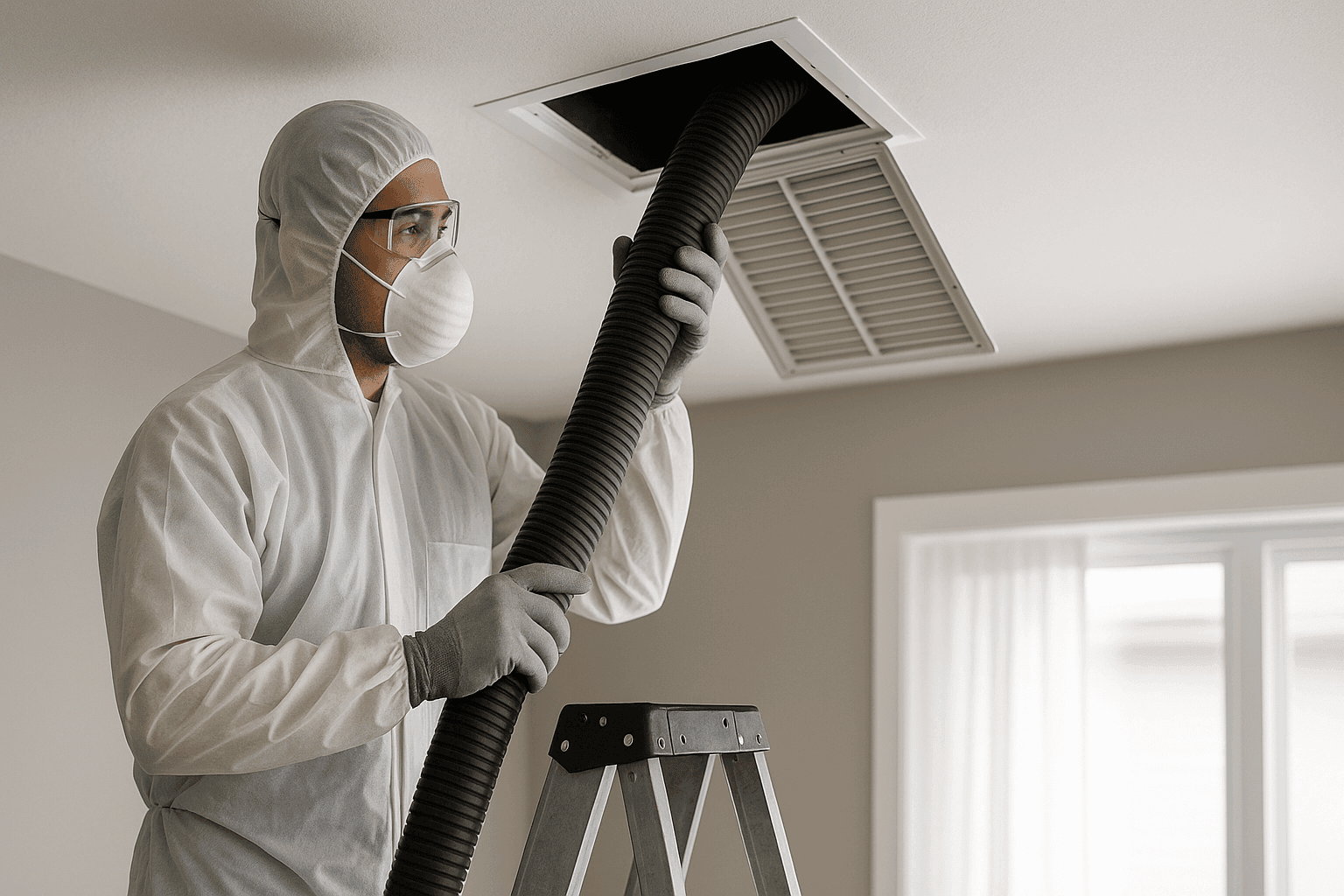
Are you sneezing more at home or noticing dust coating your surfaces no matter how much you clean? Maybe your allergies are flaring up, or you’ve spotted mysterious debris blowing from your vents. You’re not alone. Dirty ducts can quietly affect your comfort, air quality, and even your family’s health.
At General Heating & Air, we’ve helped countless homeowners and businesses navigate this question: should you tackle duct cleaning yourself or trust a professional crew? Let’s break down what really matters—so you can make the best choice for your space and your peace of mind.
Why Clean Your Ducts? 🌬️
Think of your ducts as the lungs of your home or office. They circulate air, spread comfort, and—if neglected—can also blow around dust, pollen, pet hair, and even mold spores. Over time, these unwanted hitchhikers settle inside your ductwork, quietly building up.
Dirty ducts don’t just look bad (if you ever peek inside). They impact:
- Indoor Air Quality (IAQ): Trapped particles and allergens can make breathing harder, especially for kids, elders, or those with asthma.
- Efficiency: Debris restricts airflow, making your HVAC system work harder. Higher energy bills are often the result.
- HVAC Lifespan: Clogged ducts can strain your system, leading to more frequent emergency hvac repairs or breakdowns.
- Odors: Musty, stale smells can spread through your vents if mold or mildew takes hold.
According to the Environmental Protection Agency (EPA), duct cleaning may be needed if there is visible mold, vermin infestation, or excessive dust clogging your system.
DIY Methods and Limitations
You might be tempted to grab a vacuum and tackle duct cleaning yourself. There are plenty of guides online—some helpful, some dangerous. Here’s what most DIY methods involve:
- Removing vent covers and registers.
- Using a household vacuum, brushes, or even shop-vacs to reach inside ducts.
- Wiping visible dust from accessible surfaces.
But here’s the catch: Ductwork twists, turns, and stretches far beyond what most home tools can reach. Picture trying to clean a garden hose using only your finger—the surface you touch gets clean, but what about the rest?
DIY Limitations
- Limited Reach: Most household vacuums can only access the first few feet.
- Missed Contaminants: Mold, bacteria, and fine dust often lurk deep inside, out of reach.
- Risk of Damage: Aggressive brushing or poking can loosen or tear delicate ductwork.
- Safety Hazards: If you dislodge debris or damage connections, you could accidentally introduce more pollutants into your home.
- No IAQ Testing: DIY methods don’t measure indoor air quality or detect invisible threats like VOCs or carbon monoxide.
DIY can offer a quick fix for visible dust, but it rarely delivers the deep clean needed for stubborn buildup or health concerns.
What to Expect from a Professional Service
So, what happens when you call in the pros? Professional duct cleaning teams—like General Heating & Air—use specialized tools and powerful vacuums designed specifically for HVAC systems.
The Professional Process
- Assessment: Technicians inspect your system, checking for dust, mold, leaks, and blockages. Some companies offer IAQ Testing near you for a scientific look at your air.
- Sealing: Registers and vents are sealed off to prevent dust from escaping into your living spaces.
- Negative Pressure Vacuum: Industrial-strength vacuums create negative pressure, pulling debris from deep within the ductwork.
- Agitation Tools: Rotating brushes and air whips loosen stubborn debris, even from hard-to-reach corners.
- Sanitizing (when needed): EPA-approved antimicrobial treatments can be applied if mold or bacteria are detected.
- Post-Clean Inspection: Visual/video checks confirm the job is done right.
- Report: You’ll receive a summary of findings, including photos or notes on any issues spotted.
Industry Standards
Look for companies that follow guidelines from the National Air Duct Cleaners Association (NADCA) or the EPA. These standards help ensure thorough, safe cleaning and protect your HVAC warranty.
Cost Comparison and Value 💡
Let’s talk dollars and sense. DIY duct cleaning might seem “free” at first glance, but there are hidden costs:
DIY Costs
- Time: Expect to spend several hours on a typical home.
- Supplies: You may need to buy specialty brushes, shop vacuums, or cleaning products.
- Potential Repairs: Mistakes can lead to leaks or damaged ducts, which are costly to fix.
- Limited Results: Surface-level cleaning may not address deeper issues, leading to repeated effort.
Professional Costs
- One-Time Fee: Professional services have a higher upfront price, but include thorough cleaning, inspection, and sometimes IAQ Testing.
- Long-Term Savings: Cleaner ducts mean improved HVAC performance, lower energy bills, and fewer emergency hvac calls.
- Health Benefits: Fewer allergens and pollutants can mean less money spent on allergy meds or doctor visits.
Value Tip: For businesses or anyone with sensitive health needs, professional duct cleaning is often the smarter investment.
Signs You Need Professional Help
Not sure if your ducts need more than a DIY dusting? Watch for these red flags:
- Visible Mold: If you see mold inside ducts or on HVAC components, call a pro immediately.
- Vermin or Insects: Droppings or nests inside ductwork are a health hazard.
- Persistent Odors: Musty or burnt smells that don’t go away with regular cleaning.
- Unexplained Allergies: Increased sneezing, coughing, or asthma attacks when indoors.
- Dust Around Vents: Thick, dark dust or debris blowing from registers.
- Recent Renovation: Construction dust and debris can clog ducts quickly.
- Sudden HVAC Issues: Poor airflow, odd noises, or inconsistent temperatures.
If you spot any of these, it’s time for a professional assessment. Don’t wait—pollutants can spread fast.
Quick Safety Checklist
Before you begin any duct cleaning—DIY or professional—review these safety basics:
- Turn Off Power: Always shut off your HVAC system at the breaker.
- Wear Protection: Use gloves, a mask (N95 or better), and eye protection.
- Check for Asbestos: Older homes may have asbestos insulation—never disturb it yourself.
- Avoid Harsh Chemicals: Use only EPA-approved products suitable for HVAC systems.
- Ventilate: Open windows or doors if possible.
- Ladder Safety: If accessing ceiling vents, use a stable ladder on solid ground.
- Know When to Stop: If you see mold, animal droppings, or damage, stop and call a professional.
Real-World Case Example
A local office building struggled for months with musty odors and employee complaints of headaches. Their maintenance crew cleaned vents with a shop-vac and air fresheners—no luck. When General Heating & Air arrived, IAQ Testing found hidden mold behind a wall register. Our team performed a deep clean, treated the mold with EPA-approved sanitizer, and sealed a leaky duct. Within days, complaints vanished, and energy costs dropped noticeably.
Practical Tips for Homeowners and Businesses
- Inspect Regularly: Every 6–12 months, check your vent covers for visible dust or debris.
- Change Filters Often: Replace HVAC filters every 1–3 months to prevent buildup.
- Schedule Routine Maintenance: Annual HVAC checkups can catch duct issues early.
- Monitor Air Quality: If you notice persistent allergies or odors, consider IAQ Testing near you.
- Seal Leaks: Gaps in ducts waste energy and allow pollutants to sneak in.
Frequently Asked Questions
How often should ducts be cleaned?
There’s no universal answer. The EPA recommends cleaning as needed—usually every 3–5 years, or sooner if you notice issues like mold, dust, or vermin.
Can I clean ducts myself if I’m handy?
Some light maintenance is safe, such as vacuuming vent covers and replacing filters. For deep cleaning, especially where mold or contamination is present, it’s best left to professionals.
What are the health benefits of clean ducts?
Cleaner ducts mean fewer allergens, less dust, and improved respiratory comfort—especially for people with asthma, allergies, or compromised immune systems.
Does duct cleaning help with odors?
Absolutely. Removing debris, mold, and bacteria from ducts can eliminate musty or unpleasant smells that circulate through your home or business.
Local and Seasonal Considerations 🍂
Changing seasons mean changing air quality needs. In spring and fall, pollen and leaf debris can find their way into your system. Winter heating can dry out air and stir up dust. If you’re in an area with frequent construction or wildfire smoke, more frequent duct cleaning and IAQ Testing near you can help maintain a healthier indoor environment.
For businesses, seasonal demand spikes—like summer cooling or winter heating—put extra strain on HVAC systems. Schedule preventive maintenance before peak periods for best results.
Every home and business is unique. Regular duct care protects your investment, your health, and your comfort. When in doubt, a professional assessment can give you clear answers—and peace of mind.
Call General Heating & Air now — or reach us anytime at 888-805-8278 .