Commercial HVAC Maintenance: Essential Checklist for Business Owners
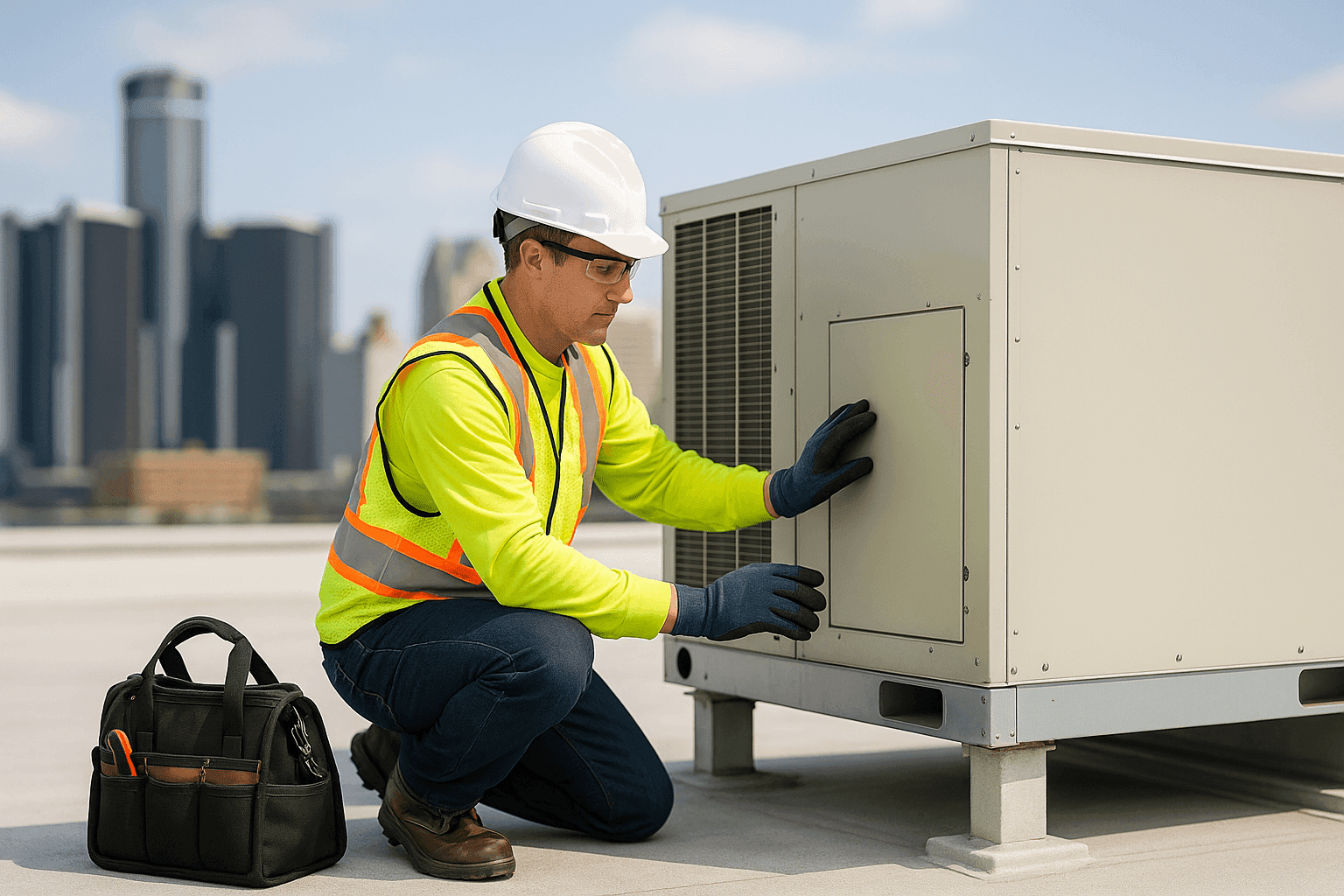
Running a business is a full-time job. When your HVAC system fails, the whole operation can grind to a halt. Customers get uncomfortable. Employees lose focus. Products or equipment may even be at risk. That’s why a reliable commercial HVAC maintenance routine isn’t just smart—it’s essential.
At General Heating & Air, we know what’s at stake. Our technicians have helped countless businesses avoid breakdowns, improve air quality, and stay ahead of code violations. Whether you manage a retail storefront, an office tower, or a warehouse, this checklist is your roadmap to peace of mind.
Why Regular Commercial Maintenance Matters 🏢
Imagine your HVAC system as the lungs of your building. Over time, dust, moisture, and wear can clog those lungs until they wheeze—or stop working altogether. The stakes are high:
- Comfort and Productivity: A stuffy or freezing office isn’t just inconvenient. Multiple studies show that indoor air quality (IAQ) directly impacts employee performance and absenteeism.
- Compliance and Safety: OSHA and local building codes demand regular HVAC inspections. Neglect can mean fines or lost business licenses.
- Unexpected Costs: Emergency hvac repairs are always more expensive than routine check-ups. Deferred maintenance can turn a simple filter swap into a complete system replacement.
- Energy Efficiency: A well-maintained system uses less energy. That means lower utility bills and a smaller carbon footprint.
ASHRAE (American Society of Heating, Refrigerating and Air-Conditioning Engineers) recommends routine HVAC inspections and maintenance as a baseline for safe, efficient operation. Following these guidelines protects your investment—and your reputation.
Key Maintenance Tasks: The Big Three
Every commercial system is unique. But some tasks are non-negotiable if you want to keep your HVAC system running strong:
1. Filter Replacement
Dirty filters are like running a marathon with a stuffy nose. They choke airflow, strain your equipment, and worsen IAQ. Most commercial filters should be replaced every 1–3 months—more often if you’re in a dusty area or have high occupancy.
2. Coil Cleaning
Evaporator and condenser coils collect grime over time. Dirty coils force your system to work overtime and can lead to ice buildup or overheating. Cleaning coils at least twice a year keeps them efficient and extends equipment life.
3. Belt and Pulley Inspection
Belts crack. Pulleys slip. When they do, airflow drops and motors wear out. Regular inspection and adjustment—usually every six months—can prevent sudden, costly failures.
Other essentials include:
- Thermostat calibration
- Electrical connection tightening
- Drain pan and condensate line checks
- Refrigerant level verification
- Blower motor lubrication
Seasonal and Monthly Checklist 🌡️
Your maintenance routine should shift with the seasons. Here’s a practical breakdown to keep your system in top shape year-round:
Monthly
- Inspect and change air filters if needed
- Check thermostat settings and schedules
- Listen for unusual noises or vibrations
- Ensure air vents and returns are clear
Quarterly
- Inspect belts, pulleys, and motors
- Check refrigerant pressures (as required)
- Clean condensate pans and drains
- Test safety controls
Semi-Annual (Spring/Fall)
- Clean evaporator and condenser coils
- Inspect electrical components and tighten connections
- Calibrate thermostats and sensors
- Perform IAQ Testing near you (especially after construction or renovations)
- Review energy management settings
Annually
- Deep clean ductwork and ventilation systems
- Replace worn-out belts and pulleys
- Inspect and test emergency power supplies (generators)
- Schedule a full system performance evaluation
Following this cycle can catch small issues before they snowball into emergencies.
How to Choose a Reliable HVAC Partner 🔧
Not all service providers are created equal. Here’s what to look for when hiring a commercial HVAC partner:
- Credentials & Training: Ask if technicians are certified by NATE (North American Technician Excellence) or have similar industry credentials. ASHRAE membership is also a plus.
- Experience with Your System: Commercial units are a different beast than residential ones. Make sure your provider is familiar with your equipment and building type.
- References & Testimonials: Don’t just take their word for it. Look for customer testimonials—especially from other business owners or facility managers.
- Emergency HVAC Availability: Downtime costs money. Choose a company with true 24/7 emergency hvac response.
- Transparency: You want detailed reports, clear pricing, and honest recommendations—not jargon or hard sells.
At General Heating & Air, our team is fully trained, background-checked, and ready to handle any challenge—day or night.
Reducing Downtime and Repair Costs
Downtime isn’t just inconvenient. For many businesses, it’s catastrophic. Here’s how proactive maintenance pays off:
- Catch Problems Early: Something as minor as a loose wire or clogged filter can trigger a system shutdown. Routine inspections catch these issues before they escalate.
- Extend Equipment Life: Well-maintained equipment can last years longer than neglected systems.
- Energy Savings: According to the U.S. Department of Energy, regular commercial HVAC maintenance can reduce energy bills by up to 30%.
- Compliance: Avoid failed inspections and fines by keeping maintenance logs and following local codes and ASHRAE standards.
- Fewer Emergencies: Emergency hvac calls are stressful and costly. Preventive care means fewer panicked moments.
Take it from our clients: “General Heating & Air’s maintenance plan saved us thousands in repairs last year. Our staff noticed the difference immediately. We won’t trust anyone else with our building’s comfort.”
Commercial HVAC Maintenance Checklist
Let’s make it simple. Here’s an actionable checklist you can use or share with your facility manager:
- [ ] Change air filters (monthly/quarterly)
- [ ] Inspect and clean coils (semi-annual)
- [ ] Check and adjust belts/pulleys (quarterly/semi-annual)
- [ ] Test thermostats and safety controls (quarterly)
- [ ] Inspect electrical connections (semi-annual)
- [ ] Clean condensate lines and pans (quarterly)
- [ ] Check refrigerant pressures (as needed)
- [ ] Lubricate moving parts (semi-annual)
- [ ] Schedule IAQ Testing near you (annual or as needed)
- [ ] Document all maintenance activities
Post this checklist in your mechanical room or maintenance binder. It’s your first defense against system failures.
Frequently Asked Questions
How often should I schedule commercial HVAC maintenance?
Most businesses benefit from quarterly check-ups and full system inspections twice a year. High-traffic or critical spaces (like medical offices) may need more frequent service.
What IAQ (Indoor Air Quality) services are available?
General Heating & Air offers IAQ Testing, air scrubbers, dehumidifiers, humidifiers, and whole-building air balancing. These services help you meet OSHA and ASHRAE guidelines for healthy air.
Why is emergency hvac service important?
Breakdowns never happen at a good time. Having a partner who offers 24-hour emergency hvac service ensures you’re never left out in the cold—or the heat.
Can I handle some maintenance myself?
Basic tasks like changing filters or clearing vents are safe for most staff. For electrical, refrigerant, or major mechanical work, always call a professional.
Local and Seasonal Considerations 🌬️
Every business is unique. Seasonal temperature swings, local air quality, and building occupancy all affect your maintenance needs. For example:
- Hot, humid summers: Schedule extra coil and drain inspections to prevent mold and water damage.
- Cold winters: Ensure heating systems, generators, and thermostats are ready before the first freeze.
- Dusty or high-pollen areas: Increase filter changes and consider advanced air cleaning solutions.
- Renovations or new tenants: Always schedule IAQ Testing near you after major changes.
Our team monitors local weather patterns and code updates, so you get recommendations tailored to your building—not just a one-size-fits-all plan.
Ready to protect your business, employees, and customers? Don’t wait for an emergency.
Call General Heating & Air now — or reach us anytime at 888-805-8278 .