The Ultimate Guide to AC Maintenance for Homeowners
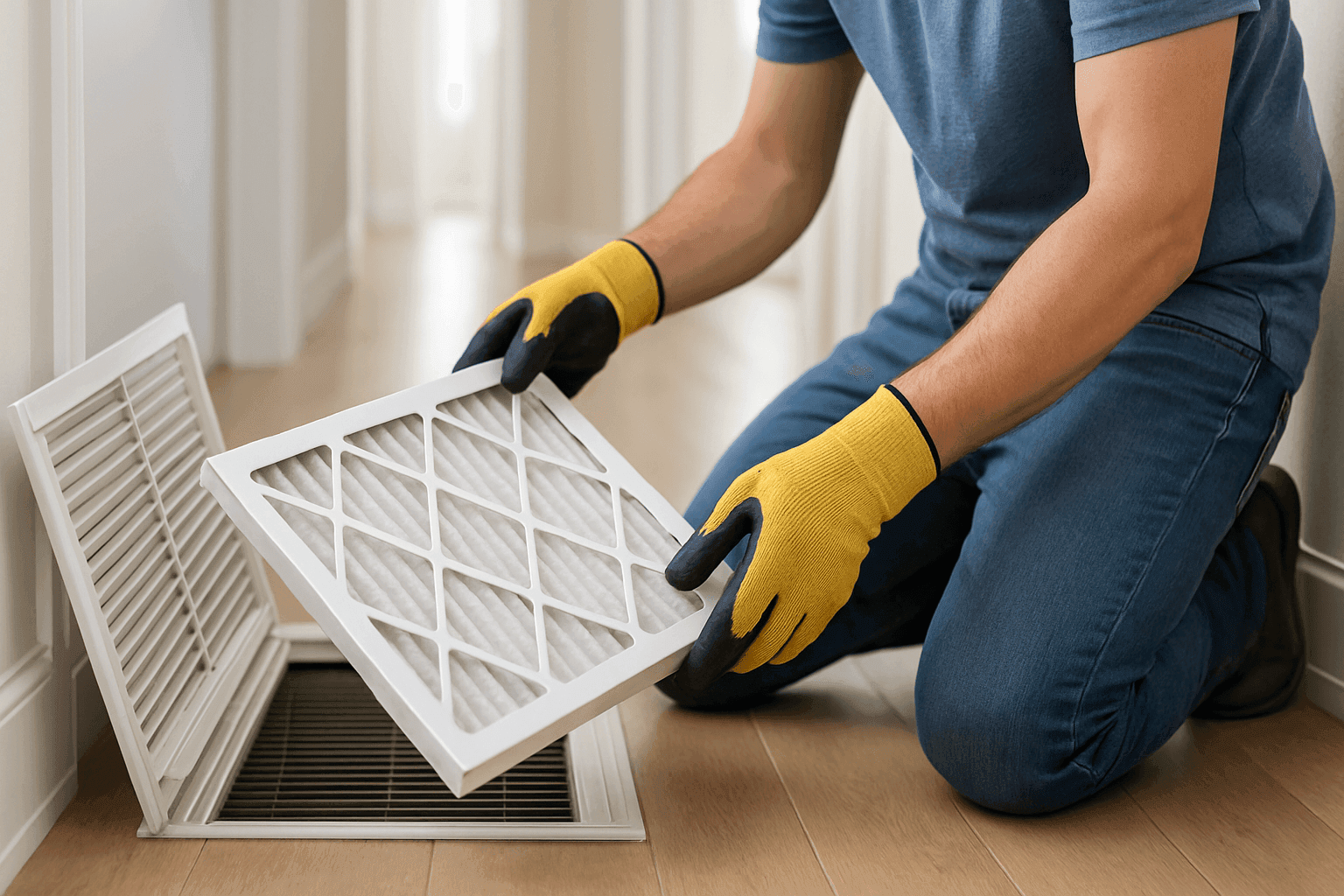
Is your AC ready for the next heat wave? For most homeowners, air conditioning is like the unsung hero—always in the background, working hard. Until the day it sputters, groans, and leaves you sweating in the middle of July. That’s why regular AC maintenance isn’t just a chore. It’s peace of mind, energy savings, and comfort all wrapped in one.
At General Heating & Air, we know a thing or two about emergency hvac calls and what it takes to keep systems humming. This guide won’t just help you avoid costly breakdowns. It’ll show you how to get the most from your AC every season, whether you’re bracing for a muggy summer or prepping for the storms to come.
Why Regular AC Maintenance Matters ❄️
Think of your AC like a marathon runner. It needs training, fuel, and the occasional checkup to perform at its best. Skip the prep, and it’ll struggle, burn out, or collapse when you need it most.
Regular maintenance:
- Keeps your system efficient (less energy, smaller bills).
- Prevents sudden, inconvenient breakdowns.
- Extends your unit’s lifespan—years longer than neglected systems.
- Improves indoor air quality (IAQ Testing near you can confirm this).
- Helps you catch small issues before they become wallet-busting emergencies.
The U.S. Department of Energy recommends annual AC tune-ups and filter changes every 1–3 months. It’s not just a suggestion—it's a smart investment for any home or commercial property.
Quick Safety Checklist Before You Start 🛑
Before you roll up your sleeves, safety comes first. Think of these steps as your seatbelt before the drive:
- Turn off power: Shut off the breaker or disconnect power to your AC unit.
- Wear gloves and eye protection: Dust, debris, and sharp edges can cause injuries.
- Keep kids and pets away: HVAC equipment isn’t a playground.
- Check for refrigerant leaks: If you see oily spots or smell something sharp, call a professional—refrigerants can be hazardous.
- Know your limits: If you’re unsure, don’t risk it. Emergency hvac help is always a call away.
DIY Maintenance Tasks Every Homeowner Can Handle 🧰
You don’t have to be a technician to keep your AC in top shape. With a few simple habits, you can make a big difference:
1. Change or Clean the Air Filter
- Most filters need replacing every 1–3 months (check monthly during heavy use).
- A dirty filter chokes airflow, making your system work harder and costing you more.
- Bonus: Clean filters improve indoor air quality and help allergy sufferers breathe easier.
2. Clean the Outdoor Condenser Coils
- Shut off power.
- Remove debris—leaves, dirt, sticks—around the unit.
- Use a gentle spray from the hose to clear dust from the coils (avoid bending fins).
- Let dry, then restore power.
3. Clear Drain Lines
- Clogged condensate lines can cause water leaks or mold.
- Use a wet/dry vacuum or pass a stiff wire gently through the line to clear blockages.
- If you see water pooling, it’s time to act.
4. Check and Clean Vents
- Make sure indoor vents aren’t blocked by furniture or drapes.
- Dust supply and return grilles monthly to keep air moving freely.
5. Inspect Thermostat Settings
- Test your thermostat at the start of the season.
- Upgrade to a programmable or smart thermostat for better control and savings.
When to Call a Pro: Spotting the Red Flags 🚨
Some jobs are best left to trained technicians. Here’s when to pick up the phone:
- Strange noises: Grinding, squealing, or banging could signal motor or compressor issues.
- Weak airflow: Even after filter changes, poor airflow points to deeper problems.
- Warm air or temperature swings: If cool air is a no-show, something’s off.
- Frequent cycling: Short bursts or constant running means your system is struggling.
- Ice on coils: This can signal low refrigerant or airflow problems.
- Unexplained spikes in utility bills: Sudden increases can indicate hidden inefficiencies.
Emergency hvac service is there for the moments you can’t predict. If you smell burning, see sparks, or experience complete system failure—don’t wait.
Seasonal AC Maintenance Checklist ✅
Here’s a technician-approved checklist you can reference each spring and fall:
- [ ] Replace or clean air filter.
- [ ] Clean and clear debris from the condenser unit.
- [ ] Inspect insulation on refrigerant lines.
- [ ] Check thermostat operation and batteries.
- [ ] Open and clean indoor air vents.
- [ ] Test your system—run it for at least 30 minutes.
- [ ] Listen for unusual sounds or vibrations.
- [ ] Ensure condensate drain is clear.
- [ ] Look for visible leaks, rust, or corrosion.
- [ ] Schedule a professional inspection annually.
Energy Savings and Comfort Benefits 🌱
Why sweat the small stuff? Because every bit of maintenance pays off:
- Lower bills: A well-tuned AC uses up to 15% less energy, according to ENERGY STAR.
- Longer system life: Regular care can add years before you need a costly replacement.
- Consistent comfort: Even cooling, better humidity control, and fewer hot spots.
- Cleaner air: Maintenance goes hand in hand with IAQ Testing near you, catching pollutants before they spread.
- Less noise: A clean, lubricated system runs quieter.
What Pros Do On Arrival
When you call General Heating & Air, our licensed technicians follow a meticulous routine:
- Inspect electrical components and tighten connections.
- Test refrigerant levels and recharge if needed (per EPA guidelines).
- Deep-clean coils and blower parts.
- Calibrate your thermostat and test controls.
- Check for proper airflow and perform air balancing.
- Inspect ductwork and recommend cleaning if dust or mold is present.
- Advise on upgrades—like air scrubbers, whole-house fans, or dehumidifiers—to match your needs.
Our techs also keep up with local building codes and manufacturer specifications, so your system is always safe and compliant.
Local and Seasonal Considerations 🌦️
Not all climates are created equal. Your maintenance routine will shift depending on where you call home:
- Humid regions: Focus on clearing drain lines and checking for mold.
- Dry, dusty climates: Clean filters and coils more often; dust builds up fast.
- Coastal areas: Salt can corrode components—rinse your outdoor unit regularly.
- Mountain or cold-winter zones: Schedule maintenance before the first freeze; ensure your system transitions smoothly from heat to cool.
Before summer heat waves, make sure your AC is running at full strength. Schedule tune-ups in late spring, and if a storm or wildfire is forecast, seal up your home and check filters for soot or debris after the event.
Costs & Time Factors
Let’s talk real-world expectations:
- Time commitment: Basic DIY tasks can take 15–30 minutes a month. A professional tune-up typically takes about an hour.
- Cost range: Filter replacements are inexpensive; professional inspections vary by region and system type.
- Repair vs. replace: Minor fixes are affordable, but if your AC is over 10–15 years old and breaking often, it may be time to consider replacement instead of endless repairs.
Routine maintenance is nearly always cheaper than an emergency hvac call in the middle of a holiday weekend.
When It’s an Emergency
Not every AC issue can wait. Call for emergency hvac service if:
- You have no cooling during a dangerous heat wave.
- Electrical problems (sparks, burning smells, tripped breakers) occur.
- Water is leaking into your home.
- The system won’t turn on at all.
- Vulnerable people—infants, elderly, or those with health issues—are at risk due to heat.
A quick response can prevent bigger damage to your home or business.
Frequently Asked Questions
How often should I schedule professional AC maintenance?
At least once a year, ideally in the spring before heavy use. Homes with pets or allergy concerns may need more frequent visits.
Can I use any filter for my AC?
Check your manufacturer’s recommendations. Using the wrong filter can restrict airflow or even damage your system.
What’s the average lifespan of a central AC unit?
With regular maintenance, most last 12–15 years. Neglect can cut that in half.
Will maintenance really help my indoor air quality?
Absolutely. Clean filters and coils, plus IAQ Testing near you, help remove dust, pollen, and other contaminants.
Final Thoughts
Air conditioning isn’t a luxury—it’s a lifeline when temperatures soar. A little time spent on routine maintenance saves you money, stress, and keeps your home or business comfortable all year. General Heating & Air is always here for emergency hvac needs, but we’d rather help you prevent problems before they start.
Call General Heating & Air now — or reach us anytime at 888-805-8278 .